
The Dangers of Overcaring and How It Leads to Burnout

In leadership roles, especially in healthcare, there is a belief many people carry:
If I care enough, I can hold everything together.
At first, that mindset can look like dedication, responsibility, or a commitment to doing excellent work. Over time, though, overcaring becomes something else entirely. It becomes carrying what was never meant to be carried alone.
At the recent 2026 Benedictine Conference, I spoke about the pressure leaders face when everything feels urgent, important, and dependent on them.
And for many leaders in the room, one message hit especially hard:
Everything doesn’t just feel like it falls on you. It actually does.
That reality is exactly why burnout happens so easily among high performers and deeply caring leaders.
Overcaring Often Looks Like “Being Good at Your Job”
The leaders most vulnerable to burnout are rarely the ones disengaging from work.
They are usually the ones:
Staying late to solve problems
Mentally carrying team dynamics after hours
Taking responsibility for everyone’s emotions
Absorbing stress from staff, customers, patients, or leadership
Stepping in constantly because standards matter to them
The problem is not that they care. The problem is that they stop separating: What is theirs to carry from what belongs to others. What actually requires action right now from what doesn’t need their attention immediately.
Eventually, everything starts to feel equally important.
And when everything feels important, nothing gets prioritized correctly.

Burnout Is Not Always a Skill Problem
Many leaders assume burnout means they are failing somehow.
They think:
I need to be more organized.
I need better time management.
I need another productivity system.
But burnout is often more of a capacity issue than anything else. When the nervous system is overloaded for long periods of time, access to clear thinking becomes harder. Leaders may still know what to do intellectually, but they lose access to the calm, regulated state required to make strong decisions consistently. That is why burnout can feel so disorienting. You are not suddenly less intelligent or less capable. You are depleted!
You Do Not Think Your Way Out of Burnout
You regulate your way out of it.
That does not mean pretending stress is gone. It means creating enough internal stability to access clear thinking again.
At the conference, I introduced the HeartMath Quick Coherence® technique as a simple reset tool leaders can use under pressure.
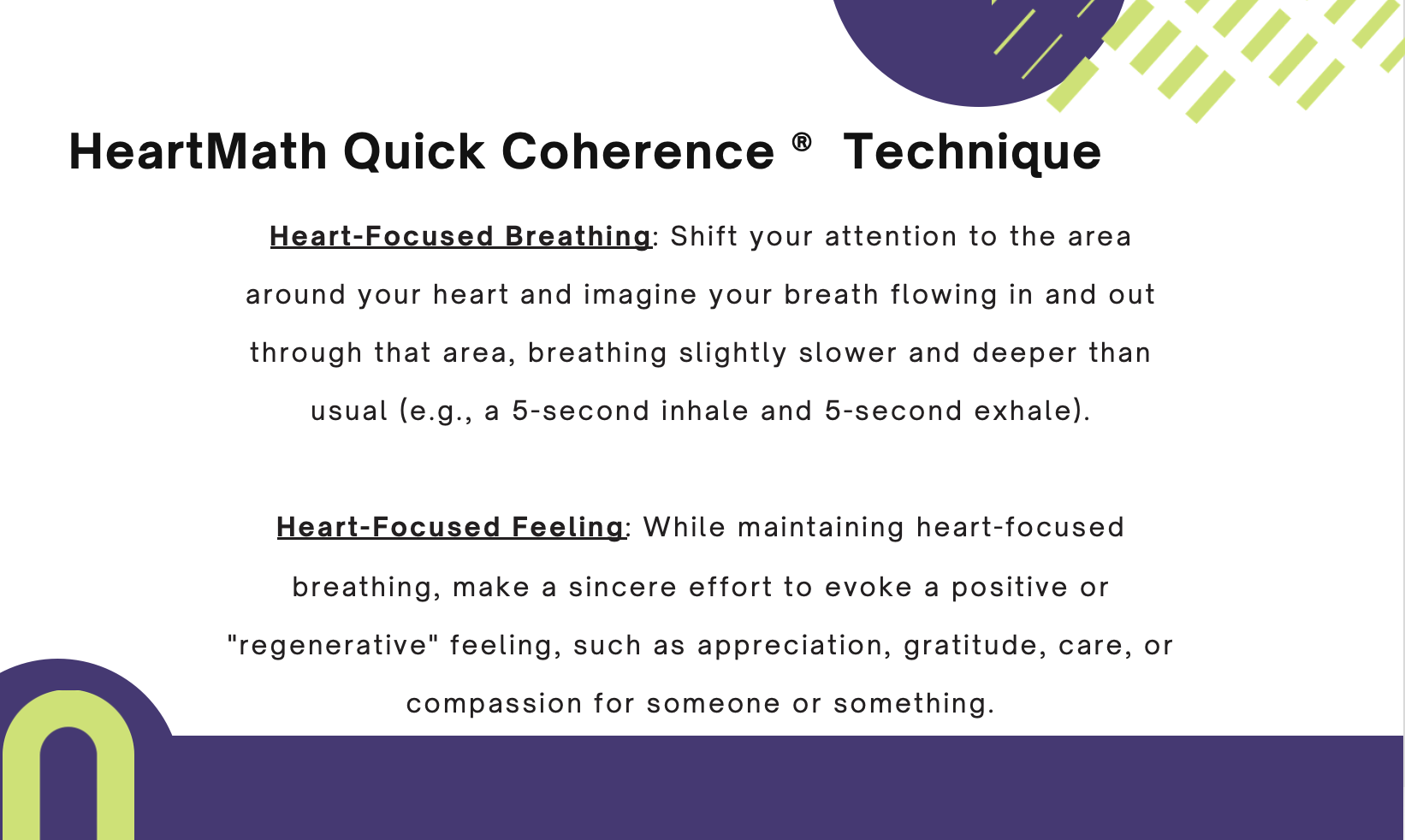
Participants practiced heart-focused breathing while intentionally shifting toward feelings like appreciation, care, gratitude, or compassion.
Why?
Because heart-brain communication directly influences:
Emotional regulation
Decision clarity
Communication tone
In other words: The state you lead from affects everything around you.

Protecting Your Capacity Is Part of the Job
Leadership pressure is real. The stakes are real and the standards are real.
But constantly operating in survival mode helps no one.
At the end of the conference session, leaders reflected on three questions:
What drains you repeatedly?
What restores you during the day?
What boundary are you avoiding?
Those questions are not soft. They are operational.
Because capacity is operational.
And leaders who protect their capacity make better decisions, communicate more clearly, and create healthier environments for everyone around them.