
Why We Begin with Movement & Breathwork
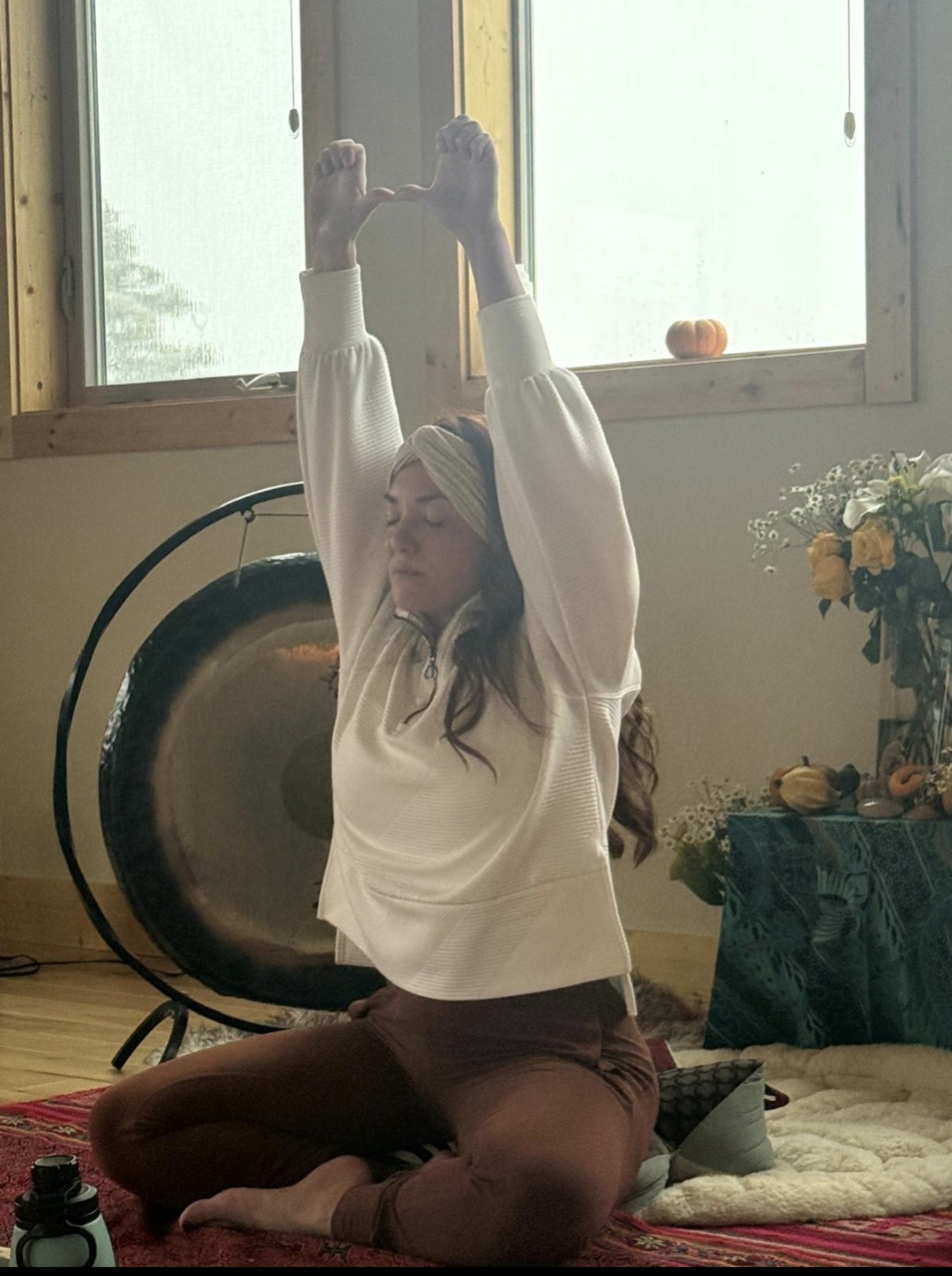
Every New Moon Reset for Leaders begins the same way: with grounding, intentional breath, and gentle movement. For some people, this is their favorite part. For others, it’s the part that makes them think, Wait… what exactly are we doing here? Can we skip to the planning?
I get it. Most leadership development experiences start with thinking. We’re used to beginning in our heads. But in today’s world where constant stimulus hits us from the moment we wake up until the moment we fall asleep, starting with the mind doesn’t actually give us access to our best thinking.
Movement and breathwork do.
Let me explain why…
Why We Start with Breath and Movement
We live in a time where our nervous systems are being asked to process more than they’ve ever had to. Ten years ago, change management experts said it took around eight exposures for a new idea to really land. Now the research suggests it takes twenty-eight or more exposures simply because of all the noise we’re competing with.
The goal of the breath and movement portion isn’t to silence the world. It’s to reconnect to the natural rhythm of the nervous system that can get drowned out by constant notifications, responsibilities, and mental load.
When we breathe intentionally, we access the autonomic nervous system, specifically the parasympathetic branch or the “rest and digest” part of us. It slows everything down just enough so we can actually hear what’s happening inside our own minds rather than being overwhelmed by everything outside of us.
I don’t even like to call it “quieting the mind,” because it’s not about silence. It’s about becoming quiet enough to notice what’s true for you. Breathwork lets us tap into intuition, groundedness, and awareness. These are things that are present all the time but get buried under overstimulation.
Often, the hardest part for leaders is simply pausing long enough to feel.
Feeling the air on your skin.
Feeling the breath move through your body.
Feeling what your nervous system has been trying to tell you.
We’ve become so numbed out from stimulus that this reconnection feels unfamiliar but it’s also where clarity starts to surface.
When we begin a session this way, we’re preparing the mind to think in a way that’s more creative, more intuitive, and more effective. Breath and movement create a kind of “awake rest” where ideas emerge more easily, and decisions are less reactive.
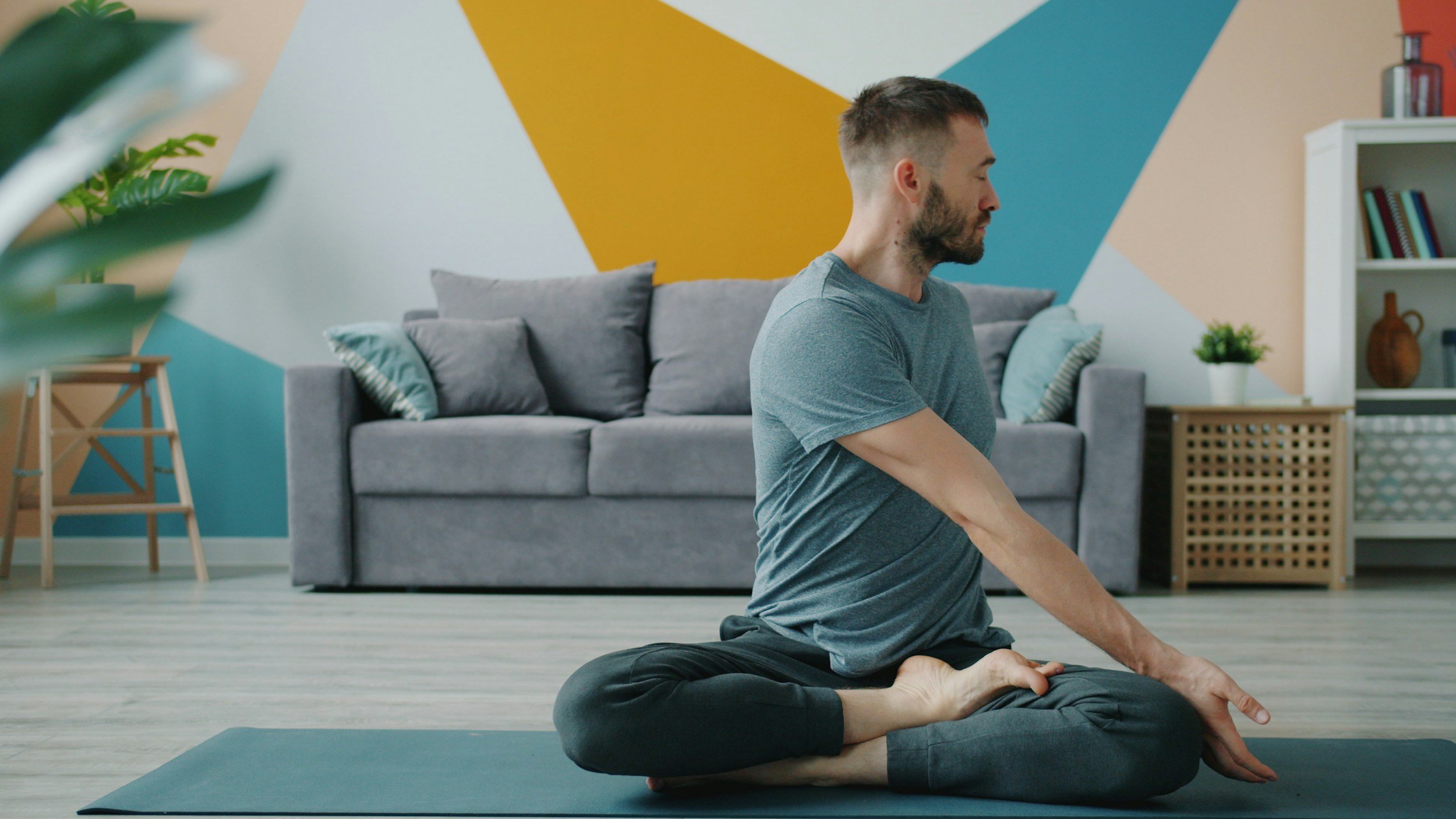
What the Movement Experience Looks Like
If you’re the kind of person who thinks, I’m not really into yoga… do I have to do this part?, let me reassure you:
This is not a fitness class.
It’s not about flexibility.
It’s not long.
It’s not sweaty.
And it’s absolutely not the point of the session.
Movement is simply a tool that helps the planning and reflection portions flow more naturally and effectively.
The movements are broken into short segments so that each one serves a purpose. Think of it as:
We're doing this small thing, so the next thing becomes easier.
We’re shifting the body so the brain can shift, too.
From the very beginning of the session, we start with intentional breathing, something you already do every second of every day, but now you’re doing it with a purpose behind it. Then we move into gentle postures, things like Ego Eradicator, where the arms are lifted and long.
Every single movement has a reason behind it.
I’ll walk you through the science behind what we’re doing: whether that’s touching nerve points in the arms, stimulating the armpit area to activate specific pathways in the brain, or using breath patterns that help regulate your emotional state. I’m never going to ask you to move just for the sake of moving. If we’re doing it, it’s because it creates a very specific neurological or emotional response.
That alone often helps people relax. When you know the “why,” the movement becomes a tool instead of an obstacle.
If Movement Intimidates You
I want to talk directly to the people who feel hesitant about this part of the Reset.
First, this movement accounts for a small portion of the experience, and it’s broken up so you’re never doing one thing for very long. If you can sit on the floor and get back up, you can do this. And if you can’t, we always adapt.
Second, remember:
You’re at home.
You’re muted.
Only I can see you on camera.
You can go at your own pace. You can modify. You can try something and pause. There is absolutely no pressure to perform anything perfectly.
My encouragement is simply this: approach it with curiosity. Try it once. See how you feel afterward. Most leaders are surprised by how much more clearly they can think once their nervous system is regulated.
Why I’m Qualified to Teach This Work
This component of the Reset isn’t something I learned last year. It’s something I’ve been practicing for decades.
At fifteen, dealing with emotional overwhelm and academic pressure, a counselor recommended yoga as a way to regulate my emotions and strengthen my ability to think clearly. I went to the library and the only book they had was a Kundalini yoga book. I took it home, practiced at night with candles lit and my cat beside me, and began to understand how profoundly the body influences the mind.
That practice carried me through some of the hardest moments of my life.
As an adult, I deepened the scientific foundation behind it. I earned my HeartMath certification, studying how emotions affect heart rhythms and how heart rhythms affect the brain. I learned the physiology behind coherence, resilience, and emotional regulation.
Most recently, I completed my Kundalini Yoga Instructor Training, a 10-day immersion devoted to the science, mechanisms, and history behind every movement and breath pattern. It gave me the formal credentialing, but more importantly, it gave me the language and depth to teach this work responsibly.
What I bring to this Reset is decades of lived experience, training, and personal proof. I know how powerful these practices are because they have kept me steady through challenges that could have shut my nervous system down.
I don’t teach anything that hasn’t worked for me and I don’t teach anything I can’t explain.
Up Next: Reflection
In the next post, we’ll explore the second component of the Reset: reflection. Why it matters, how it’s guided, and how it builds on the work we do in the movement phase to create clarity and insight.
And if you’re ready to experience the grounding power of movement and breathwork in real time, I’d love to have you at our first New Moon Reset for Leaders. You might be surprised by how much your brain opens once your nervous system settles.